When your dog suddenly stretches its neck, pulls air in through its nose, and makes a loud snorting or choking-like sound that is Dog Reverse Coughing and Sneezing and the experience can be frightening. You may wonder whether your dog is choking, struggling to breathe, or dealing with a serious respiratory problem.
Most times, the explanation is Dog Reverse Coughing and Sneezing, a relatively common reflex in dogs. However, when reverse sneezing occurs alongside ordinary sneezing or coughing, it is important to look at the full picture rather than assume that every symptom has the same cause.
This simple guide explains what dog reverse coughing and sneezing means, how to recognize the different sounds, what can trigger these episodes, how to help your dog safely, and when to contact a veterinarian.
To know more about Dog infections check the following articles:
IVDD in Dogs: Signs, Stages, Treatment, Recovery and What Dog Owners Should Know
Dog Ear Infection: Symptoms, Causes, Treatment, Home Care and Prevention
The most important thing to know: Occasional reverse sneezing in an otherwise healthy dog is often harmless. Persistent coughing, repeated sneezing, unusual discharge, or difficulty breathing can indicate a different problem that needs veterinary attention.
What is reverse sneezing in dogs?
Reverse sneezing, also called paroxysmal respiration, is a reflex in which a dog rapidly pulls air inward through its nose. This differs from an ordinary sneeze, which pushes air outward.
During an episode, a dog may stand still, stretch its neck, flare its nostrils, and make repeated snorting or snuffling sounds. The noise can resemble choking, gagging, or an attempt to clear something from the throat.
Reverse sneezing usually happens when something irritates the nasopharynx, the area at the back of the nasal passages and above the soft palate.
Your dog’s body reacts to that irritation with a series of rapid inhalations. An episode may last several seconds and sometimes longer, after which the dog often returns to normal.


According to the Cornell University College of Veterinary Medicine, reverse sneezing can affect dogs of different ages and breeds. It is reported more frequently in smaller dogs and brachycephalic breeds, which have shortened skulls and flatter faces.
Is reverse sneezing the same as coughing?
No. Reverse sneezing, ordinary sneezing, and coughing are different reflexes, even though their sounds can sometimes be confusing.
- Ordinary sneezing: Your dog forcefully pushes air out through its nose.
- Reverse sneezing: Your dog makes a series of rapid inward snorts through its nose.
- Coughing: Your dog forcefully expels air from its respiratory tract, often producing a dry, hacking, wet, or honking sound.
Some dogs also gag or swallow after coughing. This can make it difficult to identify what happened by sound alone.
The distinction matters because reverse sneezing may need no treatment when it is occasional and uncomplicated, whereas persistent coughing can signal an airway infection, tracheal problem, lung disease, or another condition that requires assessment
What does dog reverse coughing and sneezing look like?
Owners often use the phrase “reverse coughing” to describe a dog making repeated snorting, gagging, or choking-like sounds. In many cases, they are describing reverse sneezing, but the term is not a precise veterinary diagnosis.
Understanding what you see and hear can help you decide what to do next.
Reverse sneezing
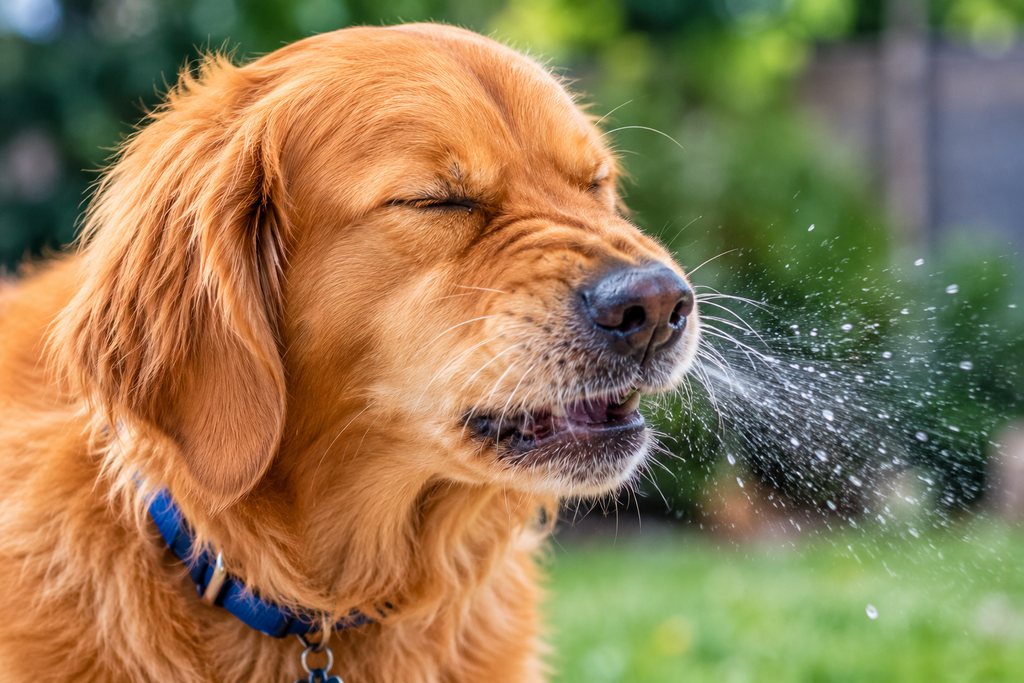
A typical reverse-sneezing episode may involve:
- Repeated, sudden inward snorts.
- A loud snuffling or snorting noise.
- An extended neck and slightly raised head.
- A mostly closed mouth.
- A brief episode followed by normal behaviour.
The dog may look uncomfortable during the episode, but uncomplicated reverse sneezing often stops by itself. The dog typically returns to normal shortly afterward.
Ordinary sneezing
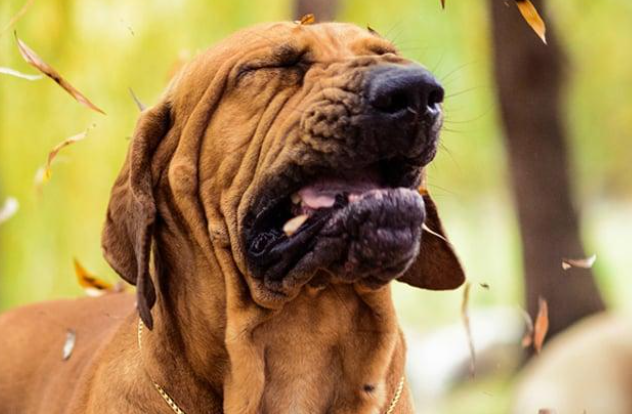
Ordinary sneezing involves a sudden outward burst of air through the nose. A dog may sneeze after sniffing dusty ground, playing in grass, or encountering an irritating smell.
Occasional sneezing can be normal. However, repeated sneezing, nasal bleeding, thick discharge, facial swelling, or sneezing that continues for an extended period deserves veterinary attention.
A coughing or honking episode

A dog with a cough may produce a dry hacking sound, a harsh honk, or a wet cough. It may stretch its neck, swallow repeatedly, or gag at the end of a coughing bout.
A honking cough can occur with tracheal collapse, particularly in some small breeds, but other respiratory conditions can produce similar sounds. Do not assume that a honking noise is reverse sneezing without considering the other signs.
Actual breathing difficulty
This is not something to manage as ordinary reverse sneezing.
Signs of respiratory distress include persistent laboured breathing, pronounced chest or abdominal effort, blue or grey gums, collapse, or an inability to settle and breathe comfortably. Seek emergency veterinary care immediately.
If you are unsure whether your dog is reverse sneezing or struggling to breathe, err on the side of urgent veterinary assessment.
What causes Dog Reverse Coughing and Sneezing?
Several conditions can produce similar symptoms. Some are minor irritations, while others require diagnosis and treatment.
Dust, pollen and environmental irritants
Dust, pollen, smoke, air fresheners, perfume and strong cleaning-product fumes can irritate a dog’s nasal passages or throat.
A dog may start reverse sneezing after sniffing a dusty corner, walking through dry grass, or spending time in a room where a strong fragrance is being used.
What you can do: Reduce exposure to the suspected irritant, ventilate the room, and avoid spraying fragrances or cleaning products near your dog. If symptoms continue after exposure ends, arrange a veterinary assessment.
Allergies
Environmental allergies can cause irritation and inflammation around the nose and upper respiratory tract. Depending on the dog, other signs may include itchy skin, paw licking, watery eyes, or recurrent ear problems.
Allergies are one possible explanation, but you should not automatically assume they are responsible for every reverse-sneezing episode.
A veterinarian can evaluate the pattern of symptoms and recommend appropriate management if an allergy is suspected.
Excitement or sudden activity
Some dogs reverse sneeze when they become excited, greet their owners, play energetically, or start exercising.
Excitement may trigger an episode in a dog that is already susceptible to irritation in the upper airway.
If this happens occasionally and your dog quickly returns to normal, record when it occurs and discuss it at a routine veterinary visit. Frequent or worsening episodes need closer investigation.
Pulling against a collar
Pressure around the neck may irritate the airway or contribute to an episode in susceptible dogs, particularly when a dog pulls hard during walks.
If your dog repeatedly coughs, gags, or reverse sneezes while pulling on the lead, avoid continuing to apply pressure to its neck.
A properly fitted harness may help reduce direct pressure on the neck during walks, although it will not treat an underlying respiratory condition.
For related reading, visit BrookTroutDogCollar.com for dog equipment and everyday care information.
Eating or drinking too quickly
Some dogs experience reverse sneezing around mealtimes or after drinking water quickly. The timing may suggest irritation around swallowing or the upper airway.
However, repeated coughing or choking during meals can also indicate a swallowing problem or another medical condition.
If your dog frequently coughs while eating or drinking, arrange a veterinary assessment rather than assuming it is harmless reverse sneezing.
Nasal mites or foreign objects
Small parasites, grass seeds, plant material and other foreign objects can irritate the nasal passages.
A foreign object may cause sudden, repeated sneezing, pawing at the nose, or discharge from one nostril. Nasal mites can also cause irritation and sneezing.
If the symptoms begin suddenly after a walk through grass or vegetation, tell your veterinarian. Do not insert tweezers, cotton buds or other objects into your dog’s nose to try to remove something you cannot clearly and safely access.
The Merck Veterinary Manual’s overview of respiratory disease signs explains why coughing, sneezing and reverse sneezing need to be interpreted alongside the animal’s other clinical signs.
Dog reverse sneezing vs. coughing: how to tell the difference
The following comparison can help you describe your dog’s symptoms more accurately.
| Sign | Reverse sneezing | Ordinary coughing |
|---|---|---|
| Direction of airflow | Repeated inward inhalations | Forceful outward expulsion of air |
| Typical sound | Snorting, snuffling or inward honking | Hacking, dry honking or wet coughing |
| Common posture | Neck extended, standing still | May stretch the neck, crouch or stand |
| Possible trigger | Upper-airway irritation, excitement or allergens | Airway irritation, infection, tracheal disease and other conditions |
| Typical recovery | Often returns to normal after a brief episode | Depends on the cause and severity |
| When to investigate | Frequent, severe, new or unusual episodes | Persistent, worsening or accompanied by other symptoms |
These are useful clues, not a way to diagnose your dog at home. Reverse sneezing and coughing can overlap in appearance, and some dogs experience more than one problem at the same time.
Is reverse sneezing dangerous for dogs?
In many otherwise healthy dogs, occasional reverse sneezing is not dangerous. The episode often ends on its own, and the dog behaves normally afterward.
However, reverse sneezing is a description of a symptom, not proof that your dog is healthy.
You should be more concerned when:
- Your dog has started reverse sneezing for the first time and the cause is unclear.
- Episodes occur frequently or become more severe.
- Your dog also has a persistent cough or ordinary sneezing.
- Nasal discharge becomes thick, bloody or foul-smelling.
- Your dog becomes weak, loses its appetite or appears unwell.
- The episode does not resolve as usual, or recovery takes longer than expected.
Some underlying causes, such as a foreign object, infection or anatomical obstruction, may need treatment.
Do not assume a dog is safe simply because a respiratory episode sounds like a familiar reverse sneeze. If breathing remains difficult, seek emergency care.
What should you do when your dog reverse sneezes?
Watching your dog suddenly snort, stretch its neck and appear unable to catch its breath can make you panic. The best response is to stay calm, observe what is happening, and avoid actions that could make the situation worse.
Here is a practical approach.

Step 1: Stay calm and comfort your dog
Speak gently and give your dog room to settle. Excitement and anxiety can make an episode more stressful. Do not shout, shake your dog or force it into a particular position.

Step 2: Reduce possible irritants
If your dog is breathing comfortably enough to move safely, keep it away from smoke, dust, strong fragrances and cleaning-product fumes. Allow it to rest in a comfortable, well-ventilated place.

Step 3: Record the episode if it is safe
A short video can help your veterinarian distinguish reverse sneezing from coughing, gagging or another breathing problem. Do not delay emergency care to record a video.

Step 4: Know when to seek help
If the episode is new, keeps recurring, lasts longer than usual or comes with other symptoms, contact your veterinarian. If your dog is struggling to breathe, collapses or develops blue or grey gums, seek emergency veterinary care immediately.
Can you stop dog reverse coughing and sneezing at home?
Many uncomplicated episodes stop without intervention. You can gently stroke your dog’s neck or head if it finds this comforting.
Some veterinary guidance describes gentle throat massage or briefly encouraging swallowing as possible ways to help a typical reverse-sneezing episode settle. However, these measures are not appropriate for every situation and should never delay veterinary care.
Do not force your dog’s mouth open, pour water into its mouth, put your fingers deep into its throat, or cover its nose if it appears to be in respiratory distress.
If you cannot confidently distinguish reverse sneezing from choking or breathing difficulty, seek veterinary help instead of trying to stop the episode yourself.
How do veterinarians diagnose reverse sneezing and coughing?
A veterinarian will look at your dog’s complete medical history and symptoms rather than relying on the sound alone.
1. Your dog’s symptom history
Expect questions such as:
- When did the episodes begin?
- How often do they happen?
- How long does each episode last?
- Does your dog cough, sneeze or make an inward snorting sound?
- Do the episodes occur during walks, meals, excitement or sleep?
- Is there nasal discharge, reduced appetite, tiredness or difficulty breathing?
- Has your dog recently been around other dogs or exposed to dust, smoke or strong fragrances?
These details can help narrow down the possible causes.
2. A physical examination
The veterinarian may examine your dog’s nose, mouth, throat, neck, heart and lungs. The examination can help identify signs of airway irritation, infection, obstruction or another medical problem.
3. Additional diagnostic tests
Not every dog needs extensive testing. However, repeated or unexplained symptoms may warrant further investigation.
Depending on the findings, a veterinarian may recommend:
- Blood tests when systemic illness is suspected.
- Chest X-rays to investigate coughing or lower-airway disease.
- Imaging or examination of the nose and throat when a foreign object or structural problem is suspected.
- Rhinoscopy, a procedure that allows the veterinarian to inspect the nasal passages.
- Targeted testing for respiratory infections when appropriate.
The choice of tests depends on your dog’s symptoms, age, breed, examination findings and medical history.
How is dog reverse sneezing treated?
There is no single medicine that treats every case of reverse sneezing. Treatment depends on whether the episodes are uncomplicated or caused by an underlying condition.
| Underlying cause | Possible veterinary approach |
|---|---|
| Occasional, uncomplicated reverse sneezing | Reassurance, observation and reducing identified irritants |
| Suspected allergies | Assessment and appropriate allergy management |
| Nasal mites | Specific antiparasitic treatment when diagnosed or strongly suspected |
| Foreign object | Veterinary examination and safe removal when necessary |
| Respiratory infection | Treatment based on the suspected or confirmed infection |
| Tracheal or other airway disease | Condition-specific treatment and monitoring |
| Structural obstruction | Further investigation and, in selected cases, surgery |
Antibiotics are not appropriate for every cough or sneeze. They are used when a bacterial infection is diagnosed or otherwise considered sufficiently likely by the veterinarian.
Likewise, do not give human cough medicines, antihistamines, antibiotics or steroids without veterinary guidance. The wrong medication or dose can harm your dog or delay diagnosis of a serious problem.
How long does reverse sneezing last in dogs?
An uncomplicated reverse-sneezing episode commonly lasts several seconds, although some episodes can continue for longer.
The duration alone does not establish whether the episode is harmless. Your dog’s breathing, gum colour, level of alertness and recovery are equally important.
- Brief episode followed by normal behaviour: Often consistent with uncomplicated reverse sneezing.
- Repeated episodes throughout the day: Contact your veterinarian, especially if this is new.
- Episodes with coughing, nasal discharge or lethargy: Arrange a veterinary examination.
- Persistent breathing difficulty, collapse or blue/grey gums: Seek emergency veterinary care immediately.
If your dog takes longer than usual to recover, do not wait for a particular time limit before seeking help.
How to prevent recurring reverse sneezing
You cannot prevent every episode, but you can reduce some common triggers and keep better track of your dog’s respiratory health.
Keep your dog’s environment clean
Reduce dust accumulation, avoid smoking around your dog, and use strong cleaning products or fragrances away from your pet. Ensure the room is well ventilated when cleaning.
Use appropriate walking equipment
If your dog coughs or reverse sneezes when pulling on a lead, consider whether the equipment is putting pressure on its neck. A properly fitted harness may reduce direct neck pressure during walks.
However, repeated coughing during walks still requires veterinary assessment, particularly if it happens with mild activity.
Avoid exposing your dog to suspected irritants
If episodes consistently follow exposure to pollen, dusty environments or particular fragrances, note the pattern and reduce exposure where practical.
Do not start restrictive diets or allergy medication without a clear reason and appropriate veterinary advice.
Monitor your dog’s breathing
Learn what normal breathing and activity look like for your dog. Changes in exercise tolerance, coughing, snoring, nasal discharge or recovery after activity can provide important clues.
Arrange checkups for recurring episodes
A dog that reverse sneezes repeatedly may have an underlying problem that needs investigation. Early assessment can help distinguish harmless episodes from conditions requiring treatment.
Frequently asked questions about dog reverse coughing and sneezing
Why is my dog reverse coughing and sneezing all of a sudden?
Sudden episodes may result from irritation caused by dust, pollen, excitement, strong smells or another trigger. However, a foreign object or respiratory condition can produce similar signs. If the symptoms are new, severe or recurring, arrange a veterinary assessment.
Is reverse sneezing in dogs the same as choking?
No. Reverse sneezing involves repeated inward snorts, often with the neck extended. Choking can involve an obstruction that prevents normal airflow and may cause severe distress. Because the two can look similar, seek emergency veterinary help if your dog cannot breathe normally or you suspect an obstruction.
Why does my dog sound like a goose when coughing?
A harsh, dry, honking cough can occur with tracheal collapse and other airway conditions. Although some owners describe reverse sneezing as a honking sound, a true cough should not automatically be classified as reverse sneezing. Have persistent or recurring honking episodes assessed by a veterinarian.
Can allergies cause reverse sneezing in dogs?
Yes. Allergens and other irritants can contribute to inflammation around the nose and upper airway. However, allergies are only one possible cause, and other conditions can produce similar symptoms.
Which dog breeds are prone to reverse sneezing?
Reverse sneezing can occur in any breed, but it is reported more often in smaller dogs and brachycephalic breeds, including Pugs and Bulldogs. Breed predisposition does not mean that frequent or severe episodes should be ignored.
Should I give my dog medicine for reverse sneezing?
Do not give medication without veterinary advice. Occasional uncomplicated reverse sneezing may need no medication, while cases caused by allergies, parasites or other conditions may require specific treatment.
Why does my dog reverse sneeze after drinking water?
The timing may suggest irritation associated with swallowing or the upper airway. However, repeated coughing or choking during drinking may indicate a swallowing or respiratory problem. Seek veterinary advice if it happens frequently.
Can reverse sneezing mean my dog has heart disease?
Reverse sneezing alone does not establish that a dog has heart disease. However, coughing, breathing difficulty, fainting or reduced exercise tolerance can occur with several serious conditions, including certain heart and respiratory disorders. These signs warrant veterinary examination.
When should I worry about reverse sneezing?
Be concerned if episodes become frequent, severe, prolonged or unusual for your dog, particularly if other symptoms develop. Difficulty breathing, collapse, blue or grey gums, or severe weakness requires emergency care.
Can I prevent my dog from reverse sneezing completely?
Not always. You may reduce episodes by limiting exposure to identified irritants and managing an underlying condition when present. Some dogs experience occasional episodes despite appropriate care.
Final thoughts
Dog reverse coughing and sneezing can be alarming, particularly when you do not know what is causing the noise.
The key is to recognize the difference between reverse sneezing, ordinary coughing and actual breathing difficulty. Occasional reverse sneezing in an otherwise healthy dog is often harmless, but repeated episodes or additional symptoms deserve veterinary attention.
Stay calm when an episode occurs, reduce obvious irritants, record a video when safe, and seek professional advice if the pattern changes.
Most importantly, do not treat every snorting or coughing sound as the same condition. Understanding what your dog is experiencing is the first step toward choosing the right care.
At BrookTroutDogCollar.com, our aim is to help dog owners make informed decisions about their pets’ health, comfort and everyday care.
Also Check
Dog Collar Size Guide: How to Measure Your Dog and Choose the Perfect Fit
BOSS Dog Essentials Adjustable Leash: Features, Size, Uses & What to Know Before Buying
Boss Dog Tactical Dog Leash Review: Everything You Need to Know Before Buying
Dogline Biothane Waterproof Dog Leash Review: Is It Actually Worth Buying?
Bowsers Oslo Ortho Dog Bed Review: Sizes, Comfort, Pros, Cons & What to Know Before Buying


Leave a Reply