A dog ear infection can start with something that looks harmless: your dog scratches one ear more than usual, shakes its head after waking up, or develops an unpleasant smell around the ear. However, these small changes can signal inflammation, an infection, or another ear problem that needs veterinary attention.
If you own a dog, knowing how to recognize an ear infection early can help you protect your pet from unnecessary discomfort and potentially serious complications.
For us BrookTroutDogCollar.com, this guide will explain how to identify the signs of a dog ear infection, understand what causes it, recognize when your dog needs a veterinarian, and care for your dog’s ears safely at home.
The most important thing to remember is that not every itchy or smelly dog ear has the same cause, and the right treatment depends on what is happening inside the ear.
What is a dog ear infection?
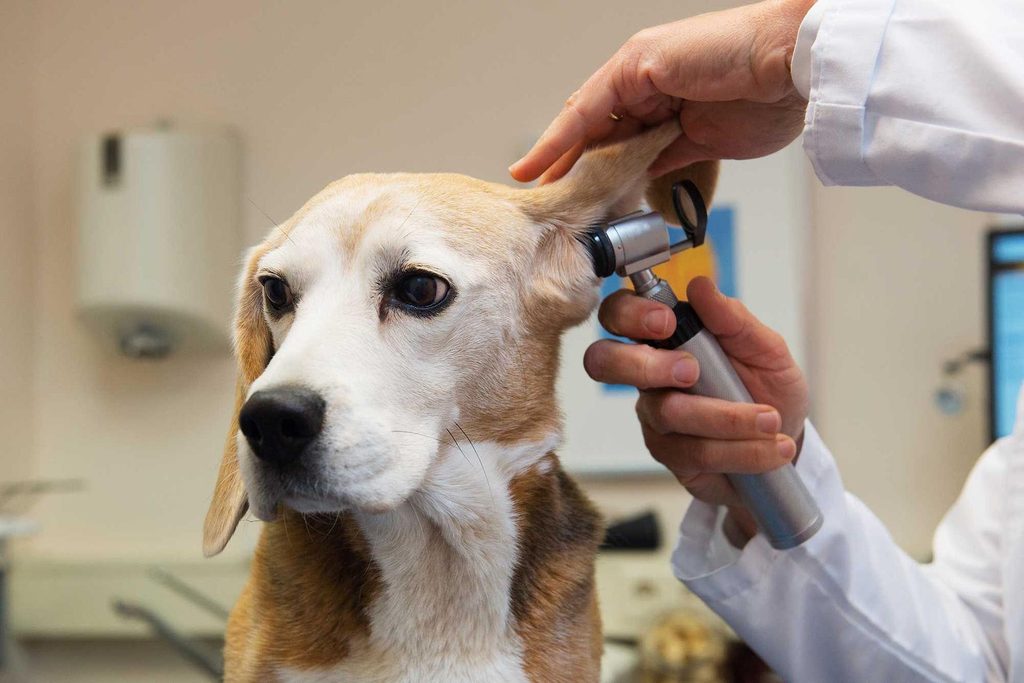
A dog ear infection is an infection or inflammation affecting part of your dog’s ear. Veterinarians often use the term otitis to describe ear inflammation. The exact condition depends on which part of the ear is affected and what causes the problem.
A dog’s ear has several important structures:
- Outer ear: Includes the visible ear flap and ear canal leading toward the eardrum.
- Middle ear: Contains structures that help transmit sound.
- Inner ear: Helps your dog hear and maintain balance.
The most common type is otitis externa, which affects the outer ear canal. However, inflammation can extend into the middle or inner ear, where it can cause more serious complications, including hearing loss and balance problems. Merck Veterinary Manual explains the different types of canine ear infections.
An important distinction: a dog may have an inflamed, itchy ear without a bacterial or yeast infection. Allergies, parasites, foreign objects and other problems can cause similar symptoms. That is why a proper examination matters.
What are the signs of a dog ear infection?
Dogs cannot tell you when their ears hurt, so you need to pay attention to changes in their behaviour and the appearance of their ears.
Here are the common warning signs to watch for.
1. Frequent head shaking
A dog that repeatedly shakes its head may be trying to relieve itching, irritation or discomfort inside the ear.
Occasional head shaking is normal. However, repeated shaking throughout the day, especially when combined with scratching or discharge, deserves attention.
Do not ignore vigorous head shaking. It can injure the ear flap and cause a painful pocket of blood called an aural hematoma.
2. Constant scratching around the ears
Your dog may scratch one ear with its hind leg, rub its head against furniture, or drag the side of its face across the floor.
These actions often indicate itching or pain. The more your dog scratches, the greater the risk of broken skin, bleeding and additional inflammation.
3. Unpleasant ear smell
A strong, musty, sour or foul smell coming from your dog’s ears can indicate inflammation, excessive discharge or microbial overgrowth.
A bad smell alone cannot tell you whether the problem involves yeast, bacteria or another condition. Your veterinarian may need to examine a sample of the discharge to identify the cause.
4. Redness and swelling
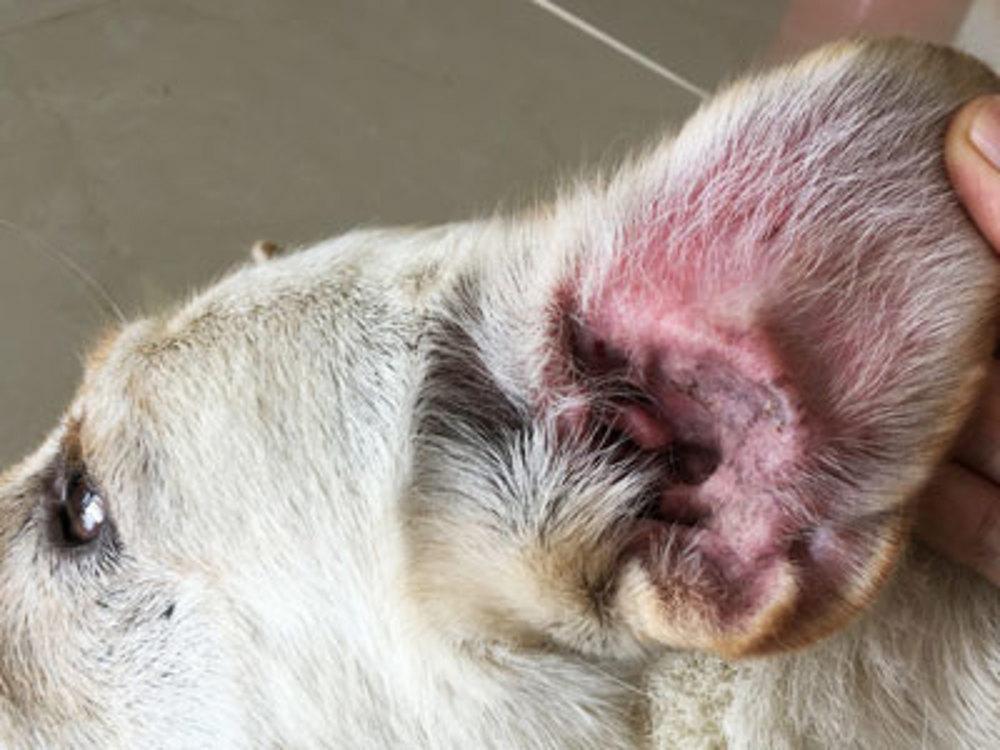
Healthy ears generally look comfortable and have no significant redness, swelling or foul odour.
If your dog’s ear flap or ear canal appears red, swollen or unusually warm, inflammation may be present. Avoid repeatedly touching a painful ear to investigate it.
5. Ear discharge or excessive wax
You may notice brown, black, yellowish or other abnormal material inside the ear.
Different causes can produce similar-looking discharge. Dark material, for example, does not automatically mean your dog has ear mites.
Pay attention to changes in the amount, colour, texture and smell of the discharge. These details can help your veterinarian assess the problem.
6. Pain when you touch the ear
Some dogs pull away, whimper, growl or try to bite when someone touches an affected ear.
A normally friendly dog may become irritable because the ear hurts. Do not punish your dog for this behaviour; pain may be the reason.
If the ear is very painful, avoid cleaning it at home before your dog receives veterinary advice.
Seek urgent veterinary care if your dog develops balance problems, sudden hearing changes, facial weakness or severe pain. Do not wait to see whether these symptoms disappear on their own.
These signs are consistent with the clinical guidance published by VCA Animal Hospitals and the Merck Veterinary Manual
What causes ear infections in dogs?
There is rarely just one explanation for every dog ear infection. Often, an underlying problem changes the environment inside the ear, allowing inflammation and infection to develop. The following are some of the causes of Dog ear infection.

1. Ear shape and anatomy
Dogs with long, floppy ears, narrow ear canals or heavy ear hair may be more susceptible to ear problems. Breeds such as Cocker Spaniels, Basset Hounds and some retrievers can be predisposed, although any breed can develop an infection.

2. Moisture trapped inside the ears
Swimming, bathing or repeated exposure to moisture can contribute to ear irritation, particularly when the ear canal does not dry properly. Moisture is a contributing factor, not proof of infection by itself.

3. Environmental or food allergies
Allergies can inflame the skin lining the ear canal and change its natural protective environment. Some dogs experience recurring ear infections alongside itchy paws, skin irritation or frequent licking.

4. Ear mites and other parasites
Ear mites can cause intense itching and dark, crumbly discharge, particularly in puppies and young animals. A veterinarian can confirm whether mites are responsible and recommend appropriate treatment.

5. Foreign objects and irritation
Grass seeds, plant material or other objects can become lodged in the ear canal. Sudden scratching or head shaking affecting one ear may suggest a foreign object, especially after a walk outdoors.

6. Underlying medical conditions
Hormonal disorders, changes in skin health and chronic inflammatory conditions can contribute to recurring ear problems. Persistent infections may require further investigation rather than repeated courses of the same medication.
These factors are described in the Merck Veterinary Manual’s guide to canine otitis externa.
Yeast vs. bacterial ear infections in dogs
Yeast and bacteria can both contribute to ear infections. Some dogs have an overgrowth of one type of microorganism, while others have mixed infections.
| Feature | Yeast involvement | Bacterial involvement |
|---|---|---|
| Common signs | Itching, redness, waxy or dark discharge | Pain, redness, swelling and discharge |
| Odour | May be musty or yeasty | May be unpleasant or foul |
| Appearance | Sometimes brown, greasy or waxy material | Discharge may be yellowish, creamy or otherwise abnormal |
| Diagnosis | Ear sample examined under a microscope | Ear sample examined under a microscope; culture may be needed |
| Treatment | Appropriate antifungal medication when indicated | Appropriate antibacterial treatment when indicated |
These descriptions overlap considerably. You cannot reliably identify the cause by colour or smell alone. A veterinary examination and ear cytology can help determine which microorganisms are present.
Which dogs are more likely to develop ear infections?
Although any dog can develop an ear infection, some have a higher risk because of their anatomy, environment or medical history.
Dogs that may need closer monitoring include:
- Dogs with floppy ears: Their ear shape can make moisture management more challenging.
- Dogs with allergies: Repeated inflammation can make the ear canal more vulnerable to infection.
- Frequent swimmers: Repeated moisture exposure may contribute to irritation.
- Dogs with hairy or narrow ear canals: Their anatomy may complicate ventilation, examination or cleaning.
- Dogs with previous ear infections: Recurring symptoms may indicate that an underlying cause remains untreated.
- Puppies with ear mites: Parasites can cause significant irritation and discharge.
A breed’s risk does not mean an infection is inevitable. What matters most is recognizing changes early and following an ear-care routine appropriate for your individual dog.
For more details about dog breed check Dog Breed Bullmastiff size and infection treatment.
How is a dog ear infection diagnosed?
- Review your dog’s symptoms
- Examine the ears
- Examine an ear sample
- Investigate persistent or complicated cases
Additional tests may be needed if the veterinarian suspects allergies, a foreign body, a mass or middle-ear disease.
The diagnostic approach is described in the American Kennel Club’s veterinary-reviewed guide to dog ear infections
How do you treat a dog ear infection?
The right treatment depends on the cause and the part of the ear affected. Your veterinarian may prescribe one or more treatments rather than a single universal remedy.
1. Veterinary ear cleaning
Cleaning can remove wax and discharge that interfere with medication. A veterinarian should advise whether cleaning is appropriate, especially if the ear is painful, severely inflamed or the eardrum may be damaged.
2. Prescription ear drops
Depending on the diagnosis, drops may contain an antifungal, antibiotic, anti-inflammatory medication or a combination. Use only the product prescribed for your dog’s particular condition.
3. Pain and inflammation management
Your veterinarian may prescribe medication to relieve discomfort and swelling. Never give human painkillers to your dog unless a veterinarian specifically directs you to do so.
4. Oral medication or additional procedures
Severe infections or infections affecting the middle or inner ear may require systemic medication, additional testing or more involved treatment. The veterinarian will decide what is appropriate.
5. Treatment of the underlying cause
If allergies, parasites or another medical condition contribute to the infection, managing that problem is essential to reducing future episodes.
Follow the prescribed treatment schedule and attend recommended rechecks. Do not stop treatment early simply because your dog seems more comfortable. Your veterinarian may need to confirm that the infection has cleared.
How to help a dog with an ear infection at home
Home care can support your dog’s comfort, but it cannot replace treatment for an established infection.
What you can safely do
- Keep your dog calm and prevent vigorous scratching as much as possible.
- Keep the ears dry and avoid swimming while the condition is being assessed or treated.
- Follow the veterinarian’s instructions for prescribed medication and cleaning.
- Record changes in discharge, odour, scratching and head shaking.
- Attend follow-up appointments, even if the ear appears better.
If your dog repeatedly scratches or injures the ear, ask your veterinarian whether a protective collar is appropriate. The right fit matters, and it should not interfere with breathing, drinking or eating.
How long does a dog ear infection take to heal?
The recovery period depends on the severity of the infection, its cause and whether the dog has an underlying condition.
| Type of ear problem | What to expect |
|---|---|
| Mild, uncomplicated outer-ear infection | May improve within days after appropriate treatment begins, but still requires the prescribed course and any recommended recheck |
| More severe infection | May need several weeks of treatment and monitoring |
| Recurrent or chronic infection | Can take weeks or months to control and may require ongoing management |
| Middle or inner ear infection | May need prolonged treatment and careful monitoring for hearing or balance complications |
The timelines above are general expectations, not a guarantee of recovery. Some infections improve quickly, while others resist treatment or return because the underlying cause has not been addressed.
The most important step is to complete your veterinarian’s treatment plan and confirm that the infection has resolved. Do not judge recovery by smell alone.
How to prevent ear infections in dogs
Preventing every ear infection is not always possible, especially when allergies or anatomical factors play a role. However, a few consistent habits can reduce avoidable irritation and help you notice problems earlier.

1. Check your dog’s ears regularly
Make ear checks part of your normal grooming routine. Look for redness, unusual discharge, swelling, scratches and sudden changes in smell.
Healthy ears generally look comfortable and do not have a strong, unpleasant odour. A small amount of wax can be normal.
2. Clean only when necessary
Not every dog needs frequent ear cleaning. Some need occasional maintenance, while dogs prone to wax buildup or recurring infections may need a veterinarian-recommended schedule.
Overcleaning can irritate the ear canal. Use a dog-specific product recommended by your veterinarian and never push cotton buds into the canal.
For detailed instructions, see the American Kennel Club’s guide to cleaning a dog’s ears.
3. Dry the ears after swimming or bathing
Gently dry the outside of your dog’s ears with a clean towel after bathing or swimming. Ask your veterinarian whether a suitable drying or cleaning product would help if your dog frequently gets its ears wet.
Avoid inserting towels or other objects deep into the ear canal.
4. Manage allergies and other medical conditions
If your dog develops repeated ear infections, ask your veterinarian to investigate possible allergies and other underlying causes.
Treating the infection without managing the underlying problem may provide temporary relief but fail to prevent another episode.
5. Keep grooming gentle
Avoid aggressive cleaning, unnecessary plucking of ear hair or grooming practices that irritate the ear canal. Ask your veterinarian or an experienced groomer how to care for your dog’s particular ear type.
The Cornell University College of Veterinary Medicine provides additional guidance on safe ear cleaning and preventing irritation.
When is a dog ear infection an emergency?
Most outer-ear infections need prompt veterinary attention, but certain symptoms require more urgent care.
Seek urgent veterinary care if you notice:
- Your dog suddenly cannot stand or walk normally.
- A persistent head tilt or severe loss of balance.
- Rapid, unusual eye movements alongside ear symptoms.
- Sudden facial weakness or difficulty blinking.
- Severe pain, bleeding or rapidly increasing swelling.
- Sudden hearing changes alongside other concerning symptoms.
A swollen ear flap can indicate an aural hematoma, which also needs veterinary assessment. If your dog appears seriously unwell, do not delay care while trying home remedies.
Middle and inner ear disease can affect the nerves responsible for balance, hearing and facial movement. Read the Merck Veterinary Manual’s guidance on middle and inner ear infections for further information.
Dog ear infection: common mistakes owners should avoid
Even caring dog owners can accidentally make an ear problem worse when they try to treat it without knowing the cause.
| Common mistake | Why it matters |
|---|---|
| Assuming every infection is caused by yeast | Bacteria, parasites and noninfectious inflammation can produce similar signs |
| Using leftover ear drops | The medication may be inappropriate for the current problem or unsafe if the eardrum is damaged |
| Cleaning a painful ear aggressively | This can increase irritation and discomfort |
| Stopping medication when symptoms improve | The infection may not have fully cleared |
| Ignoring repeated infections | An underlying condition may remain untreated |
| Using human painkillers | Some can be toxic to dogs |
| Waiting when balance problems appear | Deeper ear disease or another serious condition may be present |
A better approach is simple: identify the symptoms, seek appropriate veterinary advice, follow the treatment plan and investigate recurring problems.
Frequently asked questions about dog ear infections
What does a dog ear infection look like?
A dog ear infection may cause redness, swelling, excessive wax, abnormal discharge, crusting and irritation. Your dog may shake its head, scratch its ears or pull away when you touch them. Some infections produce a strong smell, but appearance alone cannot confirm the cause.
Can I treat my dog’s ear infection at home?
You can provide supportive care at home, but a suspected infection should be assessed by a veterinarian. The appropriate treatment depends on whether the problem involves bacteria, yeast, parasites, allergies or another condition. Avoid homemade ear remedies and unprescribed medication.
What is the best medicine for a dog ear infection?
There is no single best medicine for every dog. Veterinarians may prescribe antifungal drops, antibiotics, anti-inflammatory medication or other treatments depending on the diagnosis. The correct choice also depends on the condition of the eardrum and whether deeper parts of the ear are affected.
Can dog ear infections cause permanent damage?
Yes. Severe, chronic or complicated ear disease can cause lasting hearing problems, changes in balance and damage to ear structures. Early diagnosis and appropriate treatment can reduce these risks.
Why does my dog keep getting ear infections?
Recurring infections can be linked to allergies, ear anatomy, moisture, parasites, chronic inflammation or other underlying medical conditions. If your dog’s symptoms repeatedly return, ask your veterinarian to investigate the underlying cause rather than treating each episode as an isolated problem.
Can I use coconut oil for my dog’s ear infection?
Do not rely on coconut oil to treat an ear infection. It is not a substitute for diagnosis or prescribed treatment, and putting unapproved substances into an inflamed ear may complicate care. Ask your veterinarian what is safe for your dog’s specific condition.
Why is my dog scratching one ear but not the other?
One-sided scratching may occur with an infection, a foreign object, local irritation or another problem affecting that ear. Allergies can affect one or both ears, so the number of ears involved does not establish the diagnosis. Sudden, persistent scratching warrants veterinary examination.
Are dog ear infections contagious?
Most routine ear infections caused by an overgrowth of bacteria or yeast are not considered directly contagious between dogs. However, certain underlying causes, including ear mites, can spread between animals. Your veterinarian can determine whether precautions are necessary.
Can puppies get ear infections?
Yes. Puppies can develop ear infections, ear mites and other ear conditions. If a puppy persistently scratches its ears, shakes its head or develops discharge, arrange a veterinary examination rather than assuming the problem is simply dirt.
How often should I clean my dog’s ears?
The ideal frequency depends on your dog’s ear health, breed, lifestyle and history of infection. Dogs with healthy ears may need cleaning only when dirt or excess debris appears. Dogs prone to recurring problems may need a specific schedule recommended by their veterinarian.
Final thoughts
A dog ear infection can cause significant discomfort, but recognizing the warning signs and seeking appropriate care can make a real difference.
Pay attention to repeated head shaking, persistent scratching, unusual discharge, unpleasant odour and redness. Do not assume that every case needs the same medicine, and avoid experimenting with household remedies.
If your dog has a suspected infection, arrange a veterinary examination. If you notice a head tilt, loss of balance, facial weakness or severe pain, seek urgent care.
Most importantly, remember that successful ear care involves more than clearing away discharge. It means treating the underlying cause, following the prescribed plan and taking practical steps to reduce recurrence.
At BrookTroutDogCollar.com, our goal is to help dog owners make better-informed decisions about their pets’ everyday care. Keep checking your dog’s ears, learn what is normal for your pet and act early when something changes.
Also Check
Dog Collar Size Guide: How to Measure Your Dog and Choose the Perfect Fit
BOSS Dog Essentials Adjustable Leash: Features, Size, Uses & What to Know Before Buying
Boss Dog Tactical Dog Leash Review: Everything You Need to Know Before Buying
Dogline Biothane Waterproof Dog Leash Review: Is It Actually Worth Buying?
Bowsers Oslo Ortho Dog Bed Review: Sizes, Comfort, Pros, Cons & What to Know Before Buying




Leave a Reply